
What Shapiro's Housing Plan Means for Eastern Montco (and Why Federal Cuts Could Ruin It)
If you've been following housing policy lately, you know we're at a weird inflection point. On one hand, Governor Shapiro's office just released the first-ever statewide Housing Action Plan for PA -- a genuinely ambitious roadmap to address our housing shortage, make homes more affordable, and stabilize people who are struggling. On the other hand, the federal government is pulling in about five different directions at once, with proposals ranging from cautiously helpful to potentially catastrophic.
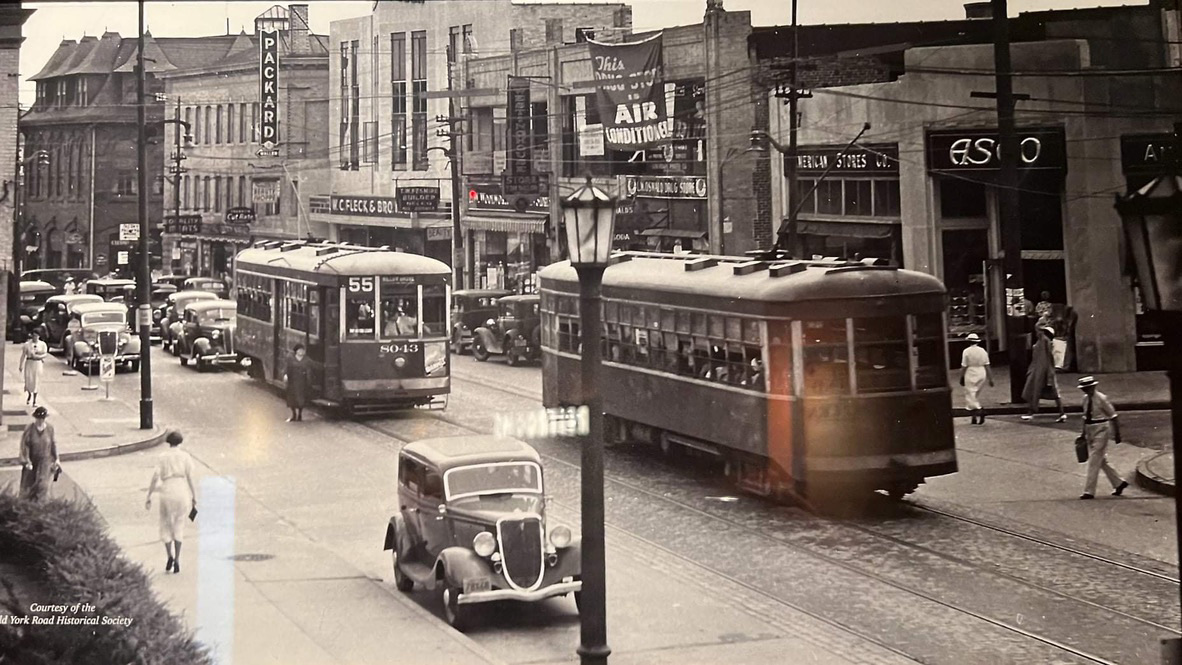
Looking at how much of the U.S. developed around cars after the 1950s, the Philadelphia "Streetcar Suburbs" like Elkins Park, Jenkintown and Glenside are truly unique -- mixed-use, walkable cores with amenities, Septa transit access, historic architecture and diverse housing stock. It's what drew me to the area originally, along with our close connection to the vibrant, diverse city of Philadelphia. But what allowed these towns to flourish and grow organically no longer exists. The zoning code that came along with white flight has held our towns back.
I spent the last week reading through both Governor Shapiro's plan and tracking what's happening in Congress and the Trump administration. Here's what you need to know, and why it matters for Eastern Montco and communities like ours.

Pennsylvania's Plan: Ambitious and Grounded
Governor Shapiro's Housing Action Plan 2026-2035 is the Commonwealth's first comprehensive housing strategy, and it's surprisingly good. The plan acknowledges what we're all feeling: Pennsylvania needs 450,000 new housing units by 2035 just to keep up with demand. At our current build rate, we'll fall short by 185,000 units.
The plan is built around five goals:
Build and preserve housing supply -- Make Pennsylvania a top 3 state for new home construction
Expand housing opportunity -- Cut the equity gap in minority homeownership by 25%
Stabilize housing outcomes -- Achieve the lowest homelessness rate among neighboring states
Modernize development regulations -- Become the most affordable state for new housing development
Improve government coordination -- Actually make our housing programs work together
What I Like About It
It's honest about the problem. The plan doesn't sugarcoat the fact that over half of Pennsylvania's housing stock is more than 50 years old, that we're building at less than half the rate we did in the 1950s, and that regulatory costs now account for nearly 30% of the cost to build a new single-family home (higher than the national average of 25%).
It focuses on real barriers. Instead of just throwing money at the problem, the plan tackles zoning reform, permitting delays, and outdated land use regulations -- the stuff that actually prevents housing from getting built. There's a proposal to create a "Housing-Ready Community" designation for municipalities that modernize their zoning, which is a smart way to incentivize local action without heavy-handed state mandates.
The plan gets that zoning is the problem. One of the biggest barriers to building more housing in Pennsylvania isn't money -- it's that local zoning codes make it illegal to build the kinds of neighborhoods people actually want to live in. In Eastern Montco, our most desirable towns (Jenkintown, Glenside, Elkins Park) are streetcar suburbs that couldn't be built today under current zoning. Mixed-use buildings? Illegal in most zones. Small lot sizes? Nope. Apartments above storefronts? Banned. The plan explicitly calls this out and creates incentives for municipalities to modernize their codes. That's huge.
It protects renters without demonizing landlords. The plan strengthens tenant protections (capping security deposits, limiting application fees, banning source-of-income discrimination) while also expanding repair loan programs for small landlords. That's the kind of balanced approach that actually works.
It acknowledges the federal funding uncertainty. The plan explicitly states that Pennsylvania can't replace lost federal dollars, but commits to advancing state-level solutions regardless of what happens in Washington. That's the right call.
What Worries Me
The plan is only as good as its implementation. Pennsylvania has a habit of announcing big initiatives and then quietly underfunding them or letting them die in committee. The success of this plan hinges on appointing a Deputy Secretary for Housing (which the plan calls for) and actually coordinating across DCED, DHS, PHFA, and a dozen other agencies that currently work in silos.
Also, some of the funding mechanisms are vague. The plan calls for a "Critical Infrastructure Investment Fund" to support site prep and mixed-use development, but doesn't specify where that money comes from or how much we're talking about. Without real dollars attached, this is just a wish list.

Historic photo of Jenkintown during its streetcar era, route 55 (which in modern times is Septa bus 55), photo via Old York Road Historical Society
What's Happening Federally: A Mixed Bag (Leaning Bad)
While Pennsylvania is trying to build a coherent housing strategy, the federal government is... doing a lot of things, many of them contradictory.
The Good: Housing for the 21st Century Act
In early February, the House passed the Housing for the 21st Century Act with overwhelming bipartisan support (390-9). This is rare -- genuinely bipartisan housing legislation that focuses on removing regulatory barriers, modernizing outdated programs, and making it easier to build.
Key provisions include:
Streamlining federal approval processes for housing development
Reforming outdated HUD programs that slow down construction
Expanding housing counseling and financial literacy programs
Supporting community banks' role in financing housing
This is the kind of supply-side reform that could actually help. The bill doesn't solve everything, but it's a step in the right direction.
The Bad: Proposed Federal Budget Cuts
At the same time, the Trump administration's FY2026 budget proposes cutting HUD funding by 44%. This includes:
Consolidating rental assistance programs into a state block grant with 43% less funding
Cutting public housing funding by $1.5 billion (17%)
Eliminating programs for homelessness, community development, and Native housing
Proposing a two-year limit on rental assistance, even if participants still can't afford rent
If these cuts go through, over 600,000 people could lose rental assistance, and more than 170,000 formerly homeless individuals could lose housing stability services. In Pennsylvania specifically, this would devastate our Homeless Assistance Program and undermine the goals of Shapiro's Housing Action Plan.
The Ugly: 401(k) Withdrawals for Down Payments
One of the more alarming proposals floating around is allowing first-time homebuyers to withdraw from their 401(k) accounts to fund down payments. This sounds helpful until you think about it for more than five seconds.
Why it's a bad idea:
You lose decades of compound growth. A $30,000 withdrawal at age 30 could cost you $300,000-$400,000 in retirement savings.
It doesn't address supply. If everyone can suddenly access more cash for down payments, home prices just go up. You're creating more demand without adding supply.
Many 401(k) loans never get repaid due to job changes or layoffs, leaving people worse off on both fronts -- no house and no retirement savings.
This is the kind of policy that polls well and does real harm.

What This Means for Eastern Montgomery County
Pennsylvania's plan is genuinely good news for places like Jenkintown, Glenside, Abington, and Cheltenham -- if it's funded and executed properly. Here's why:
Zoning modernization matters here. Most of our towns have restrictive single-family zoning, high parking minimums, and outdated lot size requirements that make it nearly impossible to build smaller, more affordable housing -- the exact opposite of how these towns were originally built. Jenkintown, Glenside, and Elkins Park grew organically as walkable, mixed-use streetcar suburbs. Then mid-century zoning locked that pattern in place and prevented it from continuing. The state's push to incentivize zoning reform could actually let us build the way we used to -- which is exactly what people move here for in the first place.
Our aging housing stock needs help. Over 50% of homes in Eastern Montco were built before 1970. Shapiro's plan includes expanded home repair programs and low-cost loans for landlords to maintain aging rental units. This is critical for keeping our naturally occurring affordable housing from deteriorating.
We're vulnerable to federal cuts. Eastern Montco has a significant population of renters, older adults, and people with disabilities who rely on federal housing assistance. If HUD funding gets slashed, our local nonprofits and housing authorities will be scrambling to fill the gap with no additional state resources.
The Bigger Picture: Supply vs. Demand
Here's the fundamental tension: Pennsylvania's plan focuses on supply (build more, preserve what we have, cut regulatory costs). Federal proposals are all over the map -- some focus on supply (Housing for the 21st Century Act), some slash demand-side supports (budget cuts to rental assistance), and some create artificial demand without adding supply (401(k) withdrawals).
The only way to solve a housing crisis is to build more housing. Everything else is just rearranging deck chairs.
Pennsylvania gets this. The federal government, right now, does not.
What You Can Do
Attend your local Board, Planning and Zoning meetings. Seriously. This is where housing gets built or blocked. If your town is considering zoning updates, show up and advocate for more housing options. And if they're not, let them know you want it! Remind them that our most beloved neighborhoods -- the ones people move here for -- were built before restrictive zoning made them illegal.
Support Pennsylvania's Housing Action Plan. When the state starts rolling out funding programs and incentives, make sure your local officials are paying attention and applying for them.
Push back on bad federal policy. If your representatives are supporting massive cuts to HUD or gimmicky policies like 401(k) withdrawals, tell them it's a bad idea. Housing is too important to get wrong.
Stay informed. Housing policy is boring until it affects whether you can afford to live in your neighborhood. Then it's the most important thing in the world.

Final Thoughts
Pennsylvania has a real opportunity here. If we execute on this plan -- actually fund it, coordinate across agencies, empower municipalities to modernize zoning, and hold ourselves accountable to measurable outcomes -- we could be a national model for how to address a housing crisis without relying on the federal government.
But that's a big "if."
I'm cautiously optimistic about the state plan and deeply concerned about what's happening federally. The next few years will determine whether Pennsylvania becomes more affordable and accessible, or whether we fall further behind while Washington pulls funding and pushes bad policy.
Either way, this is the most important housing policy moment we've had in decades. Pay attention.
To get my updates on topics like this, Subscribe to my Local Motion Newsletter
Ross Abel, Realtor® and community-minded investor based in Eastern Montgomery County, PA, focusing on walkable neighborhoods in Abington, Cheltenham, and Jenkintown.
Want to talk about housing policy, zoning, or what's happening in your neighborhood? My calendar is always open: [email protected]